1. Introduction to the Nazca Lines: A Timeless Enigma
The enigmatic Nazca Lines, a series of large geoglyphs etched into the arid plains of southern Peru, continue to captivate the imagination of travelers and scholars alike. These intricate designs, created by the ancient Nazca culture, span over 800 square kilometers and include depictions of animals, plants, and geometric shapes. Their purpose and method of creation remain shrouded in mystery, making them one of the world’s most intriguing archaeological sites.
2. Origins and History: Tracing the Lines Back in Time
The Nazca Lines are believed to have been created between 500 BCE and 500 CE by the Nazca people. Using simple tools and surveying equipment, they removed the reddish-brown iron oxide-coated pebbles that cover the desert surface to reveal the light-colored earth underneath. The scale and precision of the designs suggest a sophisticated understanding of geometry and surveying.
3. Significance and Theories: Unveiling the Purpose Behind the Lines
Several theories have been proposed to explain the purpose of the Nazca Lines. Some researchers believe they had astronomical or calendrical functions, aligning with celestial events. Others suggest they were part of religious rituals, possibly serving as pathways for ceremonial processions or as offerings to deities. The sheer diversity of the designs hints at a complex cultural significance, interweaving art, spirituality, and science.
4. The Best Ways to Experience the Nazca Lines
Experiencing the Nazca Lines firsthand is a journey into the heart of ancient Peru. There are several ways to view these incredible geoglyphs, each offering a unique perspective and appreciation for their scale and detail.
5. Aerial Tours: Witness the Lines from the Sky
The most popular and arguably the most awe-inspiring way to see the Nazca Lines is from the air. Aerial tours provide a bird’s-eye view of the vast designs, revealing their full scope and intricate details. Small planes offer flights that circle over the most famous geoglyphs, including the hummingbird, spider, and monkey. This perspective highlights the sheer scale of the drawings and the effort involved in their creation.
6. Viewing Towers and Platforms: Ground-Level Perspectives
For those who prefer to stay on terra firma, several viewing towers and platforms are strategically placed to offer glimpses of the lines. The Mirador de las Líneas de Nazca, a metal tower alongside the Pan-American Highway, allows visitors to view a few of the geoglyphs from a height of about 13 meters (43 feet). Additionally, the nearby observation hill, Cerro Blanco, provides panoramic views of the surrounding desert and its enigmatic designs.
7. Nazca Culture: Understanding the Creators of the Lines
The Nazca culture, known for its advanced irrigation techniques and vibrant ceramics, thrived in the harsh desert environment. Learning about the people who created the lines adds depth to your visit. The Antonini Archaeological Museum in Nazca offers exhibits on Nazca artifacts, mummies, and pottery, providing insights into the daily life and beliefs of this ancient civilization.
8. Nearby Attractions: Exploring More of Nazca’s Wonders
Beyond the lines themselves, the Nazca region offers additional attractions worth exploring. The Chauchilla Cemetery, an ancient burial ground with well-preserved mummies and artifacts, provides a haunting glimpse into the past. The Cantalloc Aqueducts, a series of ancient underground canals, showcase the Nazca people’s ingenuity in managing water resources in the desert.
9. Preservation Efforts: Protecting an Ancient Legacy
The Nazca Lines are a fragile heritage site, vulnerable to natural erosion and human activity. Efforts to preserve them include strict regulations on tourism and ongoing research to monitor their condition. Organizations like UNESCO, which designated the lines as a World Heritage Site in 1994, play a crucial role in their protection. Visitors are encouraged to respect the site and follow guidelines to minimize their impact.
10. Visitor Tips: Making the Most of Your Nazca Adventure
To ensure a memorable and respectful visit to the Nazca Lines, consider the following tips:
Book an aerial tour in advance: Flights can fill up quickly, especially during peak tourist season.
Visit the museum first: Understanding the cultural and historical context can enhance your appreciation of the lines.
Stay hydrated: The desert climate can be harsh, so bring plenty of water and sun protection.
Follow guidelines: Respect all rules and guidelines to help preserve this extraordinary site for future generations.
The Nazca Lines are more than just a series of ancient drawings; they are a testament to human ingenuity, cultural expression, and the enduring mysteries of the past. By exploring these remarkable geoglyphs with Atika Travel, you’ll embark on a journey through time, unraveling the secrets of one of Peru’s most iconic and enigmatic landmarks. Contact us today to plan your adventure to the Nazca Lines and experience the wonder of this ancient marvel.
Peru, known for its rich tapestry of cultures and landscapes, offers travelers a treasure trove of unforgettable experiences. Among its many wonders, the mystical Lake Titicaca stands as a shimmering jewel in the Andean highlands. According to UNESCO, the lake is one of fewer than twenty lakes in the world that claims to be over one million years old.
Lake Titicaca beckons with its serene beauty, vibrant traditions, and captivating history. When you travel here with Atika, your expert travel guides will help you unveil extraordinary, once-in-a-lifetime experiences in Lake Titicaca that should not be missed when visiting this remarkable destination. Send us a message today to learn more about planning your trip to this incredible, mystical destination.
1. Floating Uros Islands: A Testament to Ingenuity and Tradition
The Floating Uros Islands, made of totora reeds, are a marvel of human ingenuity and a deep connection with nature. These man-made islands have been home to the Uros people for centuries. Stepping onto their spongy surface provides a profound insight into the Uros’ traditional way of life.
What to Do: On a tour with Atika, you’ll have exclusive opportunities to interact with locals, learn about their sustainable reed-based construction methods, and even partake in a traditional reed boat ride. Engage with Uros artisans and purchase handmade crafts as unique souvenirs.
2. Taquile Island: A Tapestry of Textiles and Tradition
Taquile Island is renowned for its exquisite textile artistry. The islanders are known for their intricate weavings, which are not only beautiful pieces of art but also cultural expressions. As you explore the terraced hillsides and soak in stunning lake views, you’ll immerse yourself in the island’s unique atmosphere of artistry and tradition.
What to Do: Atika’s expert guides will introduce you to the island’s weaving communities, where you can witness the meticulous craftsmanship that goes into every piece. You can even try your hand at weaving under the guidance of skilled artisans.
3. Amantani Island: An Authentic Homestay Experience
For a truly immersive experience, Amantani Island offers the opportunity to stay with a local family. Atika can arrange an authentic homestay on this charming island, allowing you to live side by side with the islanders, learn about their daily routines, and participate in cultural activities.
What to Do: Engage in meaningful conversations, try your hand at traditional farming, and savor home-cooked Peruvian meals prepared by your gracious hosts. This cultural exchange is a window into the warmth and hospitality of the Amantani community. Participate in traditional ceremonies, folk dances, and even help with agricultural activities to fully immerse yourself in their way of life.
4. Puno: Gateway to Lake Titicaca’s Wonders
Puno, perched on the shores of Lake Titicaca, is a vibrant cultural hub. Though often overshadowed by the lake’s natural beauty, Puno is a destination in its own right. Wander through bustling local markets where vibrant textiles and handicrafts beckon.
What to Do: Explore historic churches like the Church of San Juan Bautista and the Puno Cathedral, both architectural gems reflecting the city’s colonial heritage. Puno’s lively atmosphere and blend of cultural influences make it a fascinating stop on your journey. Don’t forget to sample local Peruvian cuisine, such as quinoa-based dishes and traditional Andean flavors, in the city’s restaurants.
5. Sillustani: Ancient Towers of the Past
A short journey from Puno lies the Sillustani archaeological site, a place of historical and scenic significance. Here, you’ll encounter impressive pre-Inca burial towers known as “chullpas.” These ancient structures are a testament to the advanced engineering skills of their creators and offer a glimpse into the region’s rich history.
What to Do: Atika’s diligent travel guides will provide insights into the spiritual and cultural significance of Sillustani, making this excursion a fascinating journey through time. Explore the site and marvel at the intricate stone carvings that adorn these funerary towers. Enjoy panoramic views of Lake Umayo and the surrounding countryside from this elevated vantage point.
6. Sunset Views: Nature’s Spectacular Farewell
Lake Titicaca’s expansive waters provide an awe-inspiring backdrop for some of the most captivating sunsets in Peru. Whether you’re on one of the islands or the mainland, make it a point to witness the lake’s transformation as the sun dips below the horizon.
What to Do: The serene beauty of the lake takes on a magical quality as the sky is painted in hues of gold and crimson. Here, you’ll find the perfect vantage point to savor this daily spectacle, creating lasting memories of Lake Titicaca’s natural grandeur. Enjoy a picnic or a traditional Andean snack as you soak in the breathtaking views.
7. Cultural Experiences: Embracing Tradition
To truly understand the soul of Lake Titicaca, engaging with local communities is essential. Atika offers exclusive opportunities to learn about the customs, traditions, and way of life of the people who call this region home.
What to Do: Participate in traditional ceremonies and festivals to gain valuable insights into the spiritual and cultural dimensions of Lake Titicaca. Whether it’s witnessing a Pachamama ceremony or joining in a lively dance, these interactions will deepen your connection to the local culture. Atika can arrange visits to indigenous communities where you can engage in meaningful exchanges with residents and learn about their daily routines.
8. Boat Tours: Navigating Lake Titicaca’s Treasures
The best way to explore the lake’s many treasures is by taking a boat tour. Atika can arrange private excursions on the lake, allowing you to explore its various islands and bask in the serene beauty of the surroundings.
What to Do: Whether you’re gliding over the crystal-clear waters to reach the islands or simply enjoying a leisurely cruise, being on the lake itself is an integral part of the Lake Titicaca experience. Visit islands like the Uros, Taquile, and Amantani, each offering unique insights into the lives and cultures of their inhabitants. Along the way, keep an eye out for the diverse birdlife and aquatic fauna that call the lake home.
9. Local Cuisine: Savoring Lake-Inspired Flavors
No journey to Lake Titicaca is complete without savoring the local cuisine. Fresh fish from the lake, particularly trout, takes center stage in many regional dishes.
What to Do: Atika’s culinary experiences will introduce you to the unique flavors of the Andean highlands. Indulge in delicious quinoa-based dishes, sample traditional Andean flavors, and enjoy farm-to-table meals that reflect the region’s culinary heritage. You can even try your hand at preparing these dishes during a cooking class, guided by expert chefs who will share their culinary secrets.
10. Cultural Events: Celebrate in Traditional Style
If your visit coincides with a local festival or event, consider yourself fortunate. These celebrations offer an extraordinary window into the cultural vibrancy of Lake Titicaca’s communities.
What to Do: Atika can arrange for you to witness unique traditional dances, music performances, and colorful processions. Immerse yourself in the joyful atmosphere of these events, where the spirit of Lake Titicaca’s people shines brightest. Join in the celebrations, try your hand at traditional dances, and interact with local performers to truly become part of the festivities.
As you embark on your once-in-a-lifetime tour to Peru with Atika, Lake Titicaca will unfold its wonders before you. Each of these unmissable experiences promises to enrich your journey, offering a deeper understanding of the lake’s natural beauty, cultural richness, and historical significance. Lake Titicaca is not merely a destination; it’s a transformative experience waiting to be explored. Reach out to us today to start planning your adventure.
Culinary events, celebrated for its unique blend of indigenous ingredients and Spanish, African, Asian, and European influences, is a testament to the country’s historical and geographical richness. From the seafood-rich dishes of the coast like ceviche to the hearty stews of the highlands and the exotic flavors of the Amazon, Peru’s culinary diversity reflects its varied ecosystems. The skillful combination of traditional methods and modern innovation by Peruvian chefs has elevated dishes such as ceviche, lomo saltado, and the Pisco Sour to international fame.
Peru invites food lovers to explore its culinary delights through a variety of events and experiences in 2024. This guide offers insights into some of the most exciting gastronomic events in Peru, detailing the best times to enjoy these unique culinary adventures. Contact us today to start planning your dream foodie itinerary in Peru for 2024.
1. Pachamanca Festival (Various Locations)
The Pachamanca Festival is a vibrant celebration of traditional Andean cooking, held in multiple regions of Peru from June to August. This festival honors the ancient cooking method of Pachamanca, where food is cooked underground with hot stones. This technique, deeply rooted in Andean culture, produces a smoky, succulent feast emblematic of Andean cuisine.
The festival’s timing and location can vary, with regions like Cusco, Arequipa, and Ayacucho frequently hosting Pachamanca celebrations, each adding unique local touches. Visitors can expect an immersive experience, participating in the preparation of Pachamanca, which involves marinating meat, potatoes, and vegetables, wrapping them in banana leaves, and cooking them in an earth pit. This communal cooking method enhances the flavor with a distinct smokiness and embodies the spirit of togetherness.
In addition to the culinary feast, the festival includes traditional dances, music, and rituals honoring Pachamama (Mother Earth), providing a holistic cultural experience.
2. Cajamarca Cheese and Dairy Festival
The Cajamarca Cheese and Dairy Festival in late July celebrates the region’s exceptional dairy products. This event features tastings of artisanal cheeses and milk-based sweets, such as leche condensada, manjar blanco, and queso helado.
Visitors can sample a variety of cheeses, from mild to robust, and indulge in dairy-based treats. The festival also includes cultural events like traditional dances, music, and art displays, enriching the gastronomic experience with local heritage.
3. Festival Nacional del Pisco Sour (Ica)
Held in late February or early March, the Festival Nacional del Pisco Sour in Ica is dedicated to Peru’s iconic cocktail. The festival features a Pisco Sour competition where mixologists showcase their skills, with attendees enjoying numerous Pisco Sour tastings.
The event also includes a variety of gastronomic delights that pair well with the cocktail, offering a diverse culinary experience with dishes such as seafood and ceviche.
4. Festival de la Vendimia (Ica)
The Festival de la Vendimia in Ica celebrates the grape harvest and winemaking traditions, typically occurring in March or April. This festival features parades with colorful floats, traditional dances, and music, creating a festive atmosphere.
Central to the festival are wine tastings, showcasing a variety of wines from the Ica region. Attendees can enjoy red, white, and sparkling wines, paired with local culinary delights such as cheeses, charcuterie, and seafood, reflecting Ica’s culinary diversity.
5. Gran Mercado: Feria Gastronómica (Lima)
Gran Mercado in Lima is a gourmet food fair celebrating diverse flavors, often held annually. This event features local and international cuisines, with street food vendors and renowned chefs offering a wide range of dishes, from Peruvian classics to innovative fusions.
Visitors can enjoy tasting sessions, exploring new flavors and dishes, and pairing them with local beverages like craft beers and wines.
6. Pisco Sour Making Classes
Available year-round in Lima, Pisco Sour making classes offer a deep dive into crafting Peru’s iconic cocktail. Pisco, a grape brandy, is the key ingredient in the Pisco Sour. These classes, often led by expert mixologists, guide participants through the process of making the cocktail while exploring its cultural and historical significance.
Held in various settings, from trendy bars in Lima to traditional distilleries, these classes cover selecting the right type of Pisco, understanding different varieties, and mastering the balance of flavors in a Pisco Sour. Participants also learn about the origins and evolution of this national drink, enhancing their appreciation of the cocktail.
7. Peruvian Chocolate Salon (Lima)
The Peruvian Chocolate Salon in Lima celebrates Peru’s cacao and chocolate industry. This annual event includes chocolate tastings, workshops, and demonstrations by expert chocolatiers, highlighting the unique flavors of Peruvian chocolate.
Visitors can enjoy guided tastings of various chocolates made from locally sourced cacao beans, exploring the rich and diverse profiles of Peruvian chocolate.
8. Aniversario de Lima (Lima Anniversary – January 18)
Aniversario de Lima on January 18th celebrates the founding of Lima with a vibrant array of activities. The event features street food vendors offering traditional delicacies like anticuchos, empanadas, tamales, and ceviche.
This celebration showcases Lima’s culinary diversity, providing a delightful exploration of the city’s rich flavors.
With its renowned cuisine and cultural heritage, Peru offers a captivating culinary journey through its various festivals and events. From Pachamanca’s communal cooking to the lively Pisco Sour and wine festivals, each event provides a unique taste of Peruvian culture. Contact us today to learn more about these festivals and how to include them in your Peruvian adventure.
Dive into the essence of Inti Raymi, Peru’s grandest celebration of Incan culture and tradition, slated for June 24th, 2024. Imagine the vibrant streets of Cusco adorned with dancers in intricate costumes, resonating with the melodies of generations-old music, bustling with street vendors offering traditional delicacies and handmade crafts, and bustling with over 800 participants from across the globe and Peru itself.
Inti Raymi, an ode to the winter solstice, continues to thrive in contemporary Peru, encapsulating a dynamic blend of music, dance, culinary delights, and ancient Incan rituals, drawing crowds seeking to immerse themselves in this extraordinary celebration of Incan heritage.
If you’re considering a luxury tour of Peru to witness Inti Raymi firsthand, let us guide you through the nuances of this remarkable event and assist in planning your journey to experience Inti Raymi celebrations in 2024.
The Historical Significance:
Qoricancha
Inti Raymi traces its roots back to the Inca Pachacutec’s decree in the 1430s, marking the winter solstice, when the sun stood farthest from the Earth. It stood as the paramount ancestral festival of Tahuantinsuyo, attracting attendees from all four suyos (regions). The Inca’s last participation in 1535 marked a turning point, as subsequent Spanish colonization led to the festival’s prohibition by Viceroy Francisco de Toledo in 1572, deeming it pagan. However, clandestine celebrations persisted until Faustino Espinoza Navarro’s efforts in 1944 revived the tradition, leading to its recognition as a Cultural Heritage of the Nation in 2001 and as UNESCO’s Intangible Cultural Heritage of Humanity in 2009.
The Venue:
Sacsayhuaman
Inti Raymi unfolds across various locations, with over 800 participants, including actors, dancers, and musicians, donning traditional attire for a series of performances at Qorikancha, Sacsayhuamán Archaeological Park, and the city’s Main Square. The ceremonial route commences at Qorikancha, the ancient religious hub of the Inca capital, where offerings are made to the Sun God, Apu Inti, amidst dances and songs. The procession then moves to the Main Square, formerly known as Haukaypata, where the Inca awaited the sunrise with reverence. The final act unfolds at the vast esplanade of Sacsayhuamán, lasting approximately two hours, where the Inca pays homage to the Sun through prayers and symbolic rituals.
Weather Considerations:
June marks the onset of the dry season in Cusco, though mornings and evenings can still be brisk. Dressing in layers ensures comfort throughout the day.
Tickets and Logistics:
Securing advance tickets is essential for attending the main celebration in Cusco, ensuring prime seats to witness the festivities. With Atika travel’s expertise, your travel party will be well-prepared for this unforgettable experience.
Traditions and Cultural Highlights:
Inti Raymi encompasses a myriad of traditional ceremonies and rituals, including a majestic procession of the Incan emperor and his retinue. Offerings to the sun god, such as coca leaves and chicha, are central to the celebrations, along with vibrant music and dance performances passed down through generations. The festival culminates in a mesmerizing display of fireworks, illuminating the Cusco sky in a magical spectacle.
Immerse Yourself:
Inti Raymi offers a profound immersion into Incan culture and tradition, providing insight into the history and customs of the Andean people. From colorful costumes to ancient rituals, the festival showcases Peru’s rich cultural heritage, inviting visitors to partake in this once-in-a-lifetime experience.
Gastronomic Delights:
Inti Raymi presents an opportunity to savor traditional Incan cuisine, including chicha and cuy, a delicacy in Peru. Atika can arrange an authentic Andean cooking class, allowing you to prepare Pachamanca, a hearty dish cooked in an underground oven, for a truly immersive culinary experience.
Beyond the Festival:
Cusco offers a plethora of activities and attractions beyond Inti Raymi, from exploring colonial architecture to visiting Machu Picchu and exploring the Sacred Valley. Engage with indigenous communities, indulge in outdoor adventures, and soak in the breathtaking Andean landscapes for a holistic Peruvian experience.
Let Atika Curate Your Journey:
Leave the planning and preparation to us, the local experts at Atika, dedicated to ensuring your Inti Raymi experience is unforgettable. Whether it’s your first celebration or a cherished tradition, connect with us today to embark on a journey of cultural discovery through Inti Raymi.
Peruvian festivals, steeped in its rich history and diverse traditions, present a plethora of cultural experiences. These celebrations, deeply entrenched in Peru’s multifaceted cultural heritage, offer a captivating insight into the mosaic of ethnicities and communities shaping the Peruvian identity. Ranging from the age-old rituals of Inti Raymi, rooted in the historical legacy of the Inca Empire, to the syncretic spirituality witnessed in Qoyllur Rit’i, where indigenous beliefs intermingle with Catholic influences, these events underscore Peru’s dedication to safeguarding and commemorating its cultural tapestry and historical inheritance.
Peru’s festivals, renowned for their vibrant displays, intricate dance performances, and visually stunning presentations, serve as a testament to the artistic finesse and creative expressions synonymous with Peruvian cultural festivities. Beyond their visual allure, these celebrations provide a platform for community engagement, enabling travelers to interact with locals, fostering cultural exchange, and forging enduring memories.
Whether reveling in the patriotic fervor of Fiestas Patrias or immersing oneself in the global craft beer scene at the Festival de la Cerveza, these festivals promise a sensory extravaganza that seamlessly blends culinary delights with the breathtaking vistas of Peru’s landscapes and historical landmarks. With festivals occurring year-round, travelers enjoy the flexibility to plan their visits, ensuring an experience that transcends the mundane and immerses them in the essence of Peru’s soul.
Among the myriad celebrations dotting Peru’s calendar, several festivals stand out for their historical significance, vibrant displays, and profound community resonance. Those eager to partake in Peru’s festival fervor in the coming year are encouraged to reach out to us to initiate their planning journey.
Inti Raymi
Commemorating Light and Legacy Inti Raymi, held in Cusco on June 24th, marks the winter solstice in the Southern Hemisphere, embodying the Inca civilization’s profound cosmic connection. The ceremonial procession from the Qorikancha to the fortress of Sacsayhuamán, adorned in intricate traditional attire, reenacts ancient rituals venerating the sun god, Inti. This immersive experience transcends mere celebration, serving as a profound cultural immersion into Peru’s historical narrative.
Fiestas Patrias
Resounding Independence Nationwide Peru’s National Independence Day on July 28th and 29th sees the entire nation ablaze with patriotic zeal during Fiestas Patrias. Lima becomes the focal point of grand celebrations, with the historic Plaza de Armas witnessing military parades, cultural performances, and dazzling fireworks displays. Beyond the pomp and pageantry, Fiestas Patrias fosters familial and communal bonds through street fairs, traditional food festivals, and cultural events, offering a glimpse into Peru’s rich heritage.
Virgen de la Candelaria
A Dance of Devotion and Heritage Celebrated in February in Puno, the Virgen de la Candelaria festival is one of Peru’s largest traditional festivals, showcasing intricate dances, elaborate costumes, and pulsating music. The procession honoring the Virgin of Candelaria epitomizes a profound expression of faith, uniting communities in devotion and celebration, and preserving centuries-old traditions.
Carnaval de Cajamarca
A Riot of Colors and Jubilation Carnaval de Cajamarca, celebrated in February or March, heralds the transition from the dry season to the onset of rains with its vibrant display of colors and infectious joy. This pre-Lenten carnival combines indigenous customs with Spanish influences, transforming the streets of Cajamarca into a lively spectacle replete with parades, music, and jovial water fights symbolizing purification and the impending agricultural season.
Semana Santa
A Journey of Spiritual Reflection Semana Santa, or Holy Week, observed nationwide, invites solemn reflection through elaborate processions and religious ceremonies. Cities such as Cusco, Ayacucho, and Lima become immersive theaters, reenacting scenes from the Passion of Christ, creating an ambiance ripe for contemplation.
Qoyllur Rit’i
A Pilgrimage of Spiritual Reverence Nestled in Sinakara Valley near Cusco, Qoyllur Rit’i pilgrimage in May or June intertwines indigenous Andean beliefs with Catholicism, drawing pilgrims from diverse regions to honor the Lord of Qoyllur Rit’i. The pilgrimage, characterized by traditional dances, rituals, and offerings to sacred apus, showcases Peru’s syncretic spiritual essence against the backdrop of the Andean landscape.
Festival de la Cerveza
A Toast to Brewing Heritage For aficionados of the brewing arts, Festival de la Cerveza celebrates Peru’s beer legacy through tastings, live music, and cultural events held in various cities throughout the year. This festival offers a unique opportunity to savor the diverse flavors and styles of Peruvian beer, fostering an appreciation for the country’s burgeoning craft beer scene.
Gran Corso Wong
Elegance and Extravagance on Display Lima hosts the Gran Corso Wong in July, a spectacular parade featuring elaborate floats, live music, and captivating dance performances. This grand celebration of artistic expression showcases Peru’s cultural diversity and creative spirit, transforming the streets of Lima into a vibrant tapestry of elegance and charm.
From the timeless allure of Inti Raymi to the contemporary flair of the Gran Corso Wong, Peru’s festivals epitomize the nation’s vibrant cultural identity. With festivals held year-round, Atika Travel stands ready to curate unforgettable journeys that delve deep into the heart and soul of Peru’s festival scene. Contact us today to embark on your cultural odyssey.
Are you intrigued by the rich history and culture of the Incas? Journey through the legacy of the Incas with Atika Travel as we delve into the remarkable aspects of their civilization. Despite the passage of time, the story of the Incas continues to captivate our imagination, offering insights into a society that flourished amidst the peaks of the Andes Mountains.
12 most interesting thing about the Incas
1. The Inca Empire’s Duration
The Inca Empire, one of the most prominent civilizations of pre-Columbian America, spanned approximately one century. Its origins are believed to date back to the 13th century, with the empire beginning to take shape around 1400 CE. This remarkable rise to power occurred concurrently with significant historical events such as the invention of the printing press by Johannes Gutenberg and the European exploration of the Americas.
2. Communication Without a Written Alphabet
Unlike many other ancient civilizations, the Incas did not possess a written alphabet. However, they developed a sophisticated method of communication using an intricate system of knots known as khipu. These knotted cords served as a means of recording data, conveying information, and maintaining administrative records throughout the empire.
3. Limited Domestication of Animals
The Incas revered and selectively domesticated a small number of animals, including llamas, alpacas, ducks, and guinea pigs. Llamas and alpacas played crucial roles as pack animals, sources of wool and leather, and providers of transportation across the rugged terrain of the Andes. Despite their importance, the Incas did not exploit these animals for extensive agricultural purposes, reflecting their reverence for the natural world.
4. A Mostly Plant-Based Diet
Contrary to common perceptions, the Incas primarily adhered to a plant-based diet, with guinea pig (known as cuy in Quechua) serving as their primary source of animal protein. Even then, consumption of cuy meat was reserved for ceremonial occasions and special celebrations. The Incas cultivated a diverse array of crops, including over 4,000 varieties of potatoes, quinoa, amaranth, maca, purple corn, and cacao, showcasing their advanced agricultural practices and culinary expertise.
5. Advanced Agricultural Practices
The Inca Empire boasted an elaborate agricultural system characterized by terraced farming, irrigation channels, and crop diversification. Vertical terraces, known as andenes, allowed for the cultivation of crops at varying altitudes, maximizing agricultural productivity in the challenging terrain of the Andes. Additionally, the Incas developed innovative techniques for food preservation, including the construction of qollcas, circular structures designed to maintain cool temperatures and preserve perishable goods.
6. Gender Equality and Complementary Roles
In Inca society, gender roles were characterized by equality and complementarity. Women actively participated in various aspects of society, including trade, economic management, and religious rituals. Two-spirit individuals, known as Quariwarmi, held respected positions as shamans, reflecting the Inca’s acceptance of diverse gender identities.
7. Principles of Mutual Aid and Interdependence
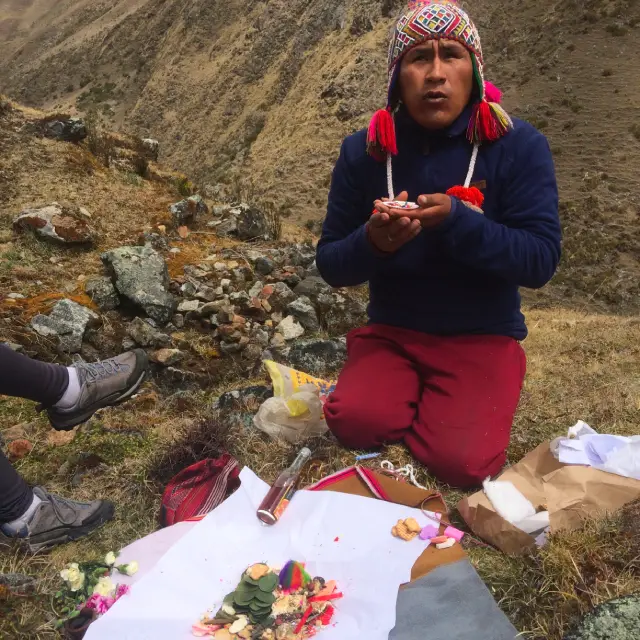
The Incas embraced the concept of ayni, which emphasized mutual aid and interdependence within society. This principle underscored the importance of reciprocity and collective responsibility, ensuring that no individual or community was left without support. Rituals such as pagos a la tierra, or offerings to Mother Earth, exemplified the Inca’s reverence for nature and their commitment to maintaining harmony with the environment.
8. Imperial Ambitions and Cultural Assimilation
As imperialists, the Incas sought to unify diverse cultures and peoples under their rule, fostering a sense of collective identity and allegiance to the empire. While they respected the unique traditions and customs of conquered territories, the Incas also sought to assimilate local populations into their cultural and political framework. However, this assimilation was not always welcomed, and the empire faced resistance and rebellion, particularly in regions such as the Amazon jungle and modern-day Ecuador.
9. Challenges in Conquering the Jungle
Despite their formidable power, the Incas encountered significant challenges in their efforts to conquer the jungle regions of South America. Communities in the Amazon basin, such as the Quichua people of modern-day Ecuador, resisted Inca influence and retained their distinct cultural identity. The dense vegetation, diverse ecosystems, and formidable terrain of the jungle presented formidable obstacles to Inca expansion, highlighting the complexity of their imperial ambitions.
10. Cosmology and Spiritual Beliefs
Central to Inca spirituality was the belief in three interconnected realms represented by the condor, the puma, and the serpent. These symbolic animals, associated with the celestial, terrestrial, and underworld realms respectively, formed the basis of Inca cosmology and religious practices. The Incas revered the natural world as sacred and sought to maintain harmony with the cosmos through rituals and offerings.
11. The Magnitude of the Inca Road System
The Inca Empire’s extensive road network, known as the Qhapaq Ñan, spanned over 25,000 miles, connecting disparate regions of the empire with a network of paved highways and footpaths. This remarkable feat of engineering facilitated communication, trade, and military logistics, allowing the empire to maintain control over vast territories spanning diverse geographical and climatic regions.
12. Architecture Aligned with the Cosmos
The Incas demonstrated a profound understanding of astronomy and cosmology in their architectural designs and urban planning. Structures such as Machu Picchu were carefully aligned with celestial phenomena, allowing observers to witness astronomical events such as solstices and equinoxes from specific vantage points. This integration of architecture with the natural environment reflected the Inca’s reverence for the cosmos and their belief in the interconnectedness of all living beings.
It’s often assumed that the only must-visit destination in Cusco is Machu Picchu. However, there are numerous places to explore in this beautiful destination. The spectacular landscape of snow-capped mountains, blooming meadows, turquoise lagoons, and diverse flora and fauna make the Sacred Valley of the Incas the perfect spot for adventure and leisure tourism in Peru.
Most flights to the Sacred Valley depart from and arrive in Lima. The Peruvian capital offers visitors plenty to see and do, serving as a gateway to the rest of the country, with domestic flights to major cities, including Cusco. Keep an eye on various airline websites, as they often offer discounts and travel promotions to the Imperial City, with prices dropping to as low as $70. If possible, choose a window seat, as the view of the Andes during the journey is breathtaking.
You can also travel to Cusco by car or bus. The journey takes about 22 hours, extending along 1100 km of increasingly rugged and isolated terrain. If you’re planning this adventure, consider making some stops along the way to better cope with the journey.
Once in Cusco, to reach the Sacred Valley, you can take a bus heading to Ollantaytambo – they depart every 15 minutes. Alternatively, you can rent a taxi or share a ride with other travelers heading to the same destination .
For a hassle-free and personalized experience, consider arranging your transportation with Atika Travel, ensuring a smooth journey to explore the wonders of the Sacred Valley.
2. Best Time to Travel
The climate in the Sacred Valley doesn’t vary much throughout the year. Daytime temperatures range between 20 and 25 °C, while nighttime temperatures drop to around 5 °C, sometimes feeling intense for some people. It’s recommended to travel during the dry season, between April and November. If you don’t mind the rain, you can travel between December and March.
Remember to acclimatize yourself before engaging in any physically demanding activities in the Sacred Valley, such as hiking or climbing. The average altitude in this area is 2850 meters above sea level, and the lack of oxygen could cause some inconvenience. Bring your sunscreen, umbrella, plenty of fluids (accompanied by coca leaves), and warm clothing in case you stay in one of the villages overnight.
3. Choose Your Accommodation Wisely
From backpacker hostels to five-star hotels, the options in the Sacred Valley are numerous and varied. In the rural areas of the Valley, there are hotels and haciendas that offer stays with attractive complementary services, such as relaxation therapies, spiritual retreats, healthy food, yoga classes, and more.
4. Plan Your Travel Itinerary and Allocate Your Time
The Sacred Valley boasts thousands of places to suit all tastes, such as Pisac, Ollantaytambo, Urubamba, Chinchero, Yucay, Maras, Moray, Aguas Calientes, among others. Most tours offer bus and train trips, with stops at major archaeological sites, visits to markets, and adventure sports.
If you’re going to hire a tour, make sure it allows you enough time to enjoy everything and combines different modes of transportation such as biking and hiking with train and bus rides, so you can have a variety of experiences.
5. Enjoy the Exquisite Local Cuisine
The gastronomic options in the Sacred Valley have expanded. There are plenty of restaurants in Ollantaytambo, Urubamba, and Pisac that offer all kinds of Andean dishes made from fresh, native ingredients. Dare to try the Chiri Uchu, a fried Trout, a baked Guinea Pig, a succulent Inchicapi, or a regional tuber stew called Kapchi; as you can see, the alternatives are very varied and original.
Also, be sure to visit the breweries in the Valley. These are places where you’ll discover the beer production process unique to this area, accompanied by delicious Andean snacks.
Embarking on a memorable family vacation is well within reach, especially when you consider the remarkable allure of Peru. With its wealth of cultural treasures, breathtaking landscapes, and thrilling adventures, Peru promises an unforgettable experience for families seeking both bonding and exploration.
1. Explore Peru’s Diverse Landscapes
Peru offers a diverse tapestry of landscapes, ranging from pristine beaches along its Pacific coast to the majestic peaks of the Andes Mountains and the lush expanses of the Amazon Rainforest. Families can embark on exhilarating treks through the Andean highlands, explore ancient ruins like Ollantaytambo, or bask in the sun on the sandy shores of Máncora.
2. Engage in Educational Adventures
Immerse yourselves in Peru’s rich history and culture through a myriad of educational experiences. Visit world-class museums such as the Larco Museum in Lima and the Museo Inka in Cusco, where ancient artifacts offer insights into Peru’s fascinating past. Guided tours of archaeological sites like Machu Picchu and Pisac provide a deeper understanding of the Inca civilization, while interactions with local communities in the Sacred Valley offer firsthand experiences of indigenous cultures and traditions.
3. Embark on Thrilling Family Adventures
Adventure awaits at every turn in Peru, providing families with exhilarating opportunities to bond and create lasting memories. From white-water rafting on the Amazon River to zip-lining through the Mindo Cloud Forest, there’s no shortage of heart-pounding activities to enjoy together. These adrenaline-fueled adventures not only strengthen family bonds but also instill a sense of accomplishment as you conquer challenges together.
4. Indulge in Peruvian Culinary Delights
Peru’s culinary scene is a tantalizing fusion of flavors and influences, making it an ideal setting for a family foodie adventure. Explore bustling local markets teeming with exotic fruits, colorful vegetables, and unique ingredients, then roll up your sleeves for interactive cooking classes where you can learn to prepare iconic dishes like ceviche and empanadas. Through shared meals and culinary experiences, families can bond over a shared love of food while gaining insight into Peruvian culture and traditions.
5. Immerse in Local Culture and Traditions
Experience the vibrant tapestry of Peruvian culture through immersive encounters with local communities. Atika Travel can arrange visits to indigenous villages in the Sacred Valley, where families can participate in traditional rituals, learn about ancient ceremonies, and engage in cultural activities. Exploring local markets offers opportunities to connect with artisans and vendors, supporting local livelihoods while fostering cross-cultural exchange.
6. Marvel at Peru’s Natural Beauty
Peru’s natural beauty is nothing short of awe-inspiring, offering families the chance to connect with the world around them in profound ways. Explore the Sacred Valley, where each sunrise paints the landscape in hues of gold and orange, or embark on a thrilling hike to Rainbow Mountain, where vibrant colors create a surreal backdrop. A journey to Lake Titicaca provides an opportunity to immerse yourselves in the local culture while soaking in the serene beauty of South America’s largest lake.
7. Encounter Incredible Wildlife
Peru’s diverse ecosystems are home to a wealth of fascinating wildlife, offering families the chance to encounter exotic creatures in their natural habitats. Explore the Amazon Rainforest, where knowledgeable guides lead jungle excursions in search of monkeys, parrots, and elusive jaguars. In the Andes, marvel at the majestic flight of the Andean condor from the Condor Cross viewpoint, or venture into the cloud forests to spot colorful birds and unique wildlife species.
8. Create Lasting Memories for the Whole Family
Peru’s attractions cater to travelers of all ages, making it the perfect destination for multigenerational family vacations. Whether you’re sharing stories of ancient civilizations, bonding over culinary adventures, or conquering outdoor challenges together, Peru offers experiences that resonate with every member of the family. These shared adventures strengthen family ties and create cherished memories that will be treasured for years to come.
In conclusion, a family vacation in Peru with Atika Travel promises to be an enriching journey filled with diverse experiences, educational opportunities, and thrilling adventures. Start planning your family getaway today and embark on a transformative adventure that will create lasting memories for your entire family.
Deep in the Andes, a short drive southwest of Cuzco, lies an impressive mountain, often called Rainbow Mountain. Although its official name is Vinicunca, its colorful terracotta, lavender, turquoise and rust hues make «Rainbow Mountain» a more appropriate moniker. This natural wonder is a must-see on any personalized travel plan to Cuzco.
Located in the Vilcanota mountain range, southeast of the city of Cusco, Vinicunca offers a wonderful spectacle, even from the road leading to it. It is a journey of about five hours by car and on foot, although physically demanding, culminates with an image worthy of a postcard engraved forever in the memory of the traveler.
Vinicunca, the rainbow mountain
Vinicunca: Nature’s Masterpiece or Human Creation?
Rainbow Mountain firsthand
The vibrant hues of Rainbow Mountain are not the result of human ingenuity, but the result of millennia of geological processes orchestrated by Mother Nature herself. The subduction of tectonic plates, coupled with incessant weathering and mineral composition, has created this breathtaking spectacle in the Andes. Thus, although the hand of man has not directly painted this landscape, the work of natural forces is equally, if not more, remarkable.
Mother Nature, or Pachamama as she’s known locally, took charge of crafting the unique color palette of Rainbow Mountain over thousands of years. Through relentless weathering by rains, snow, winds, and extreme temperatures, the mountain’s mineral layers underwent gradual transformation. Iron oxide layers adopted a stunning red hue, while goethite or oxidized limonite layers turned brown. Chlorite layers transitioned into green, and iron sulfide layers contributed a vibrant yellow stripe. The resulting blend of colors is truly remarkable, making Rainbow Mountain a must-see destination despite the challenging conditions.
Embarking on a trek to Rainbow Mountain is an essential part of your Peru adventure. As you ascend to its impressive altitude of 5,200 meters above sea level, just 180 meters from Everest’s southern base camp, ensure adequate hydration and acclimatization. Spend a few days exploring Cuzco and the Sacred Valley before embarking on this unforgettable journey. Be prepared for a variety of weather conditions, from rain to snow and everything in between.
Rainbow Mountain’s popularity emerged only five years ago, captivating hikers and mountaineers en route to Mount Ausangate. Its majestic colors and unique landscape became a social media sensation, appearing on platforms such as Instagram and being recognized by publications such as Business Insider as one of the world’s must-see destinations.
Know Before You Go: Recommendations for Your Journey
To get to Vinicunca it is necessary to take a transport from the city of Cusco to the town of Checacupe. From there, continue the trip to the town of Pitumarca, to finally reach Pampachari. This whole journey will take between two and three hours. In Pampachari you can buy the entrance ticket to the Vinicunca area, see prices below in the table.
Price in soles (S /.)
Price in dollars ($)
National tourist
S /. 15
4 USD
Foreign tourist
S /. 25
7 USD
* Tickets are purchased in the same Mountain of 7 Colors.
Pampachari is the starting point for a three-hour hike. It is essential to do cardiovascular exercises in the days prior to the trip to withstand the physical demands of the hike.
Remember that the Vinicunca mountain is located at an altitude of more than 5000 meters above sea level, so it is advisable to acclimatize the body. Also, do not forget to bring non-perishable food and a bag to store your waste. Follow these tips or more with Atika and you will live an unforgettable experience.